
OEM & Custom
Injection Molding Service
Supplier in China
- Your Partner for Custom Plastic Parts, from Prototype to Production.
- Request a Free Quote: Get a fast, no-obligation quote for your injection molding project today.
- Receive Expert DFM Analysis: We provide a complimentary Design for Manufacturability analysis with every quote to ensure your design is production-ready.
- Certified Quality: Our operations are fully certified under ISO 9001:2015 (Quality) and ISO 14001:2015 (Environmental) standards.
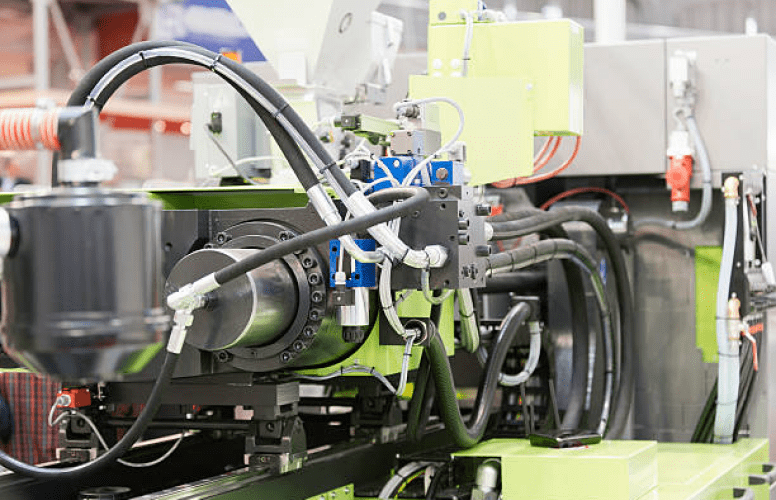
Why Choose US for Custom Injection Molding Services
Plastic Injection Molding Services for Custom Parts
Experience a seamless design-to-production journey with our custom injection molding services. Whether you need rapid prototypes or high-volume production, we provide expert guidance and solutions. We work with a wide range of thermoplastics and thermosets and deliver parts with tolerances meeting or exceeding ISO 9001 standards.
Get Quote
Get Quote
Get Quote
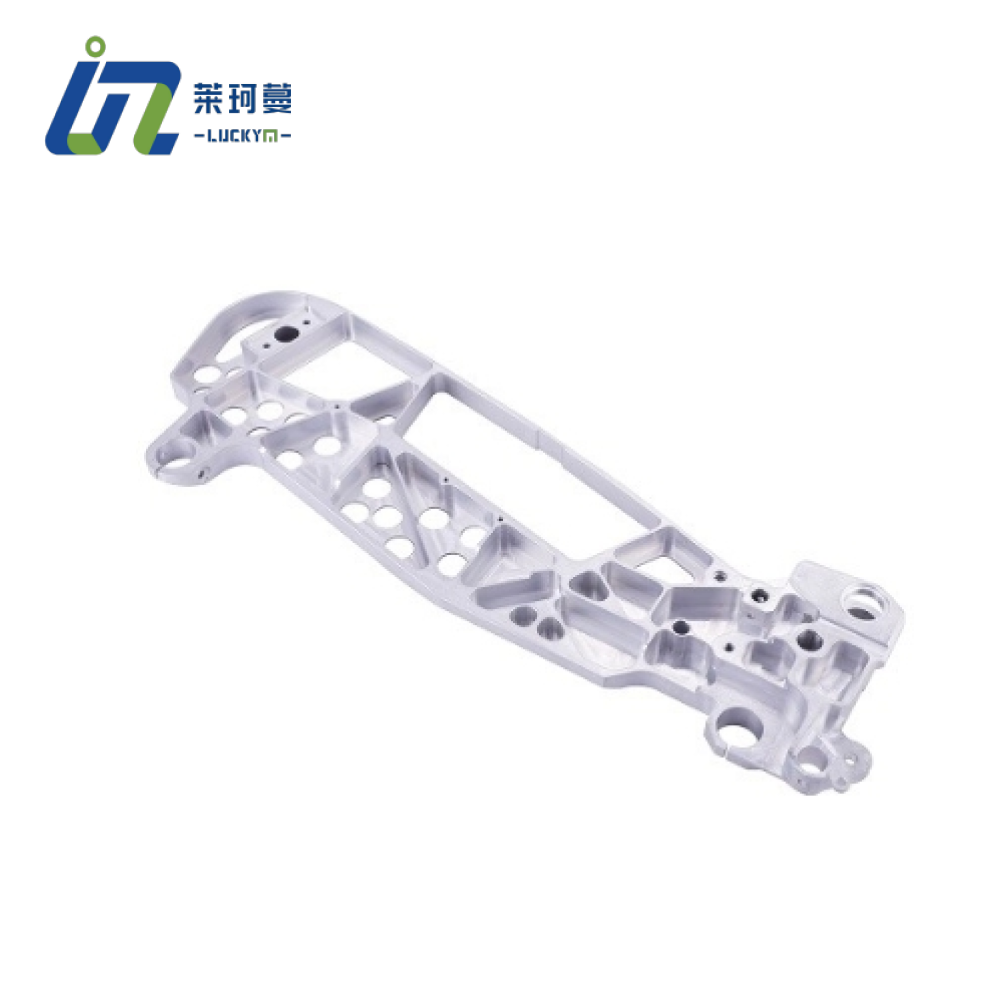
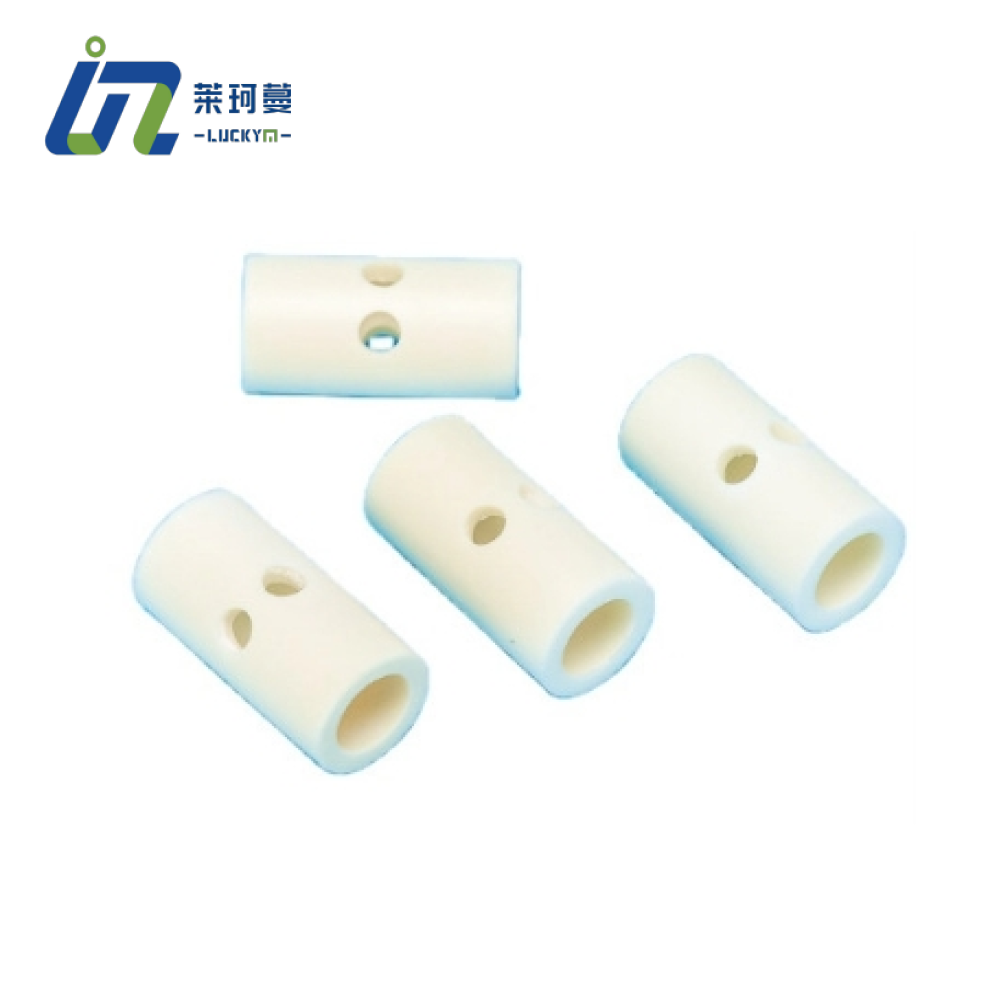
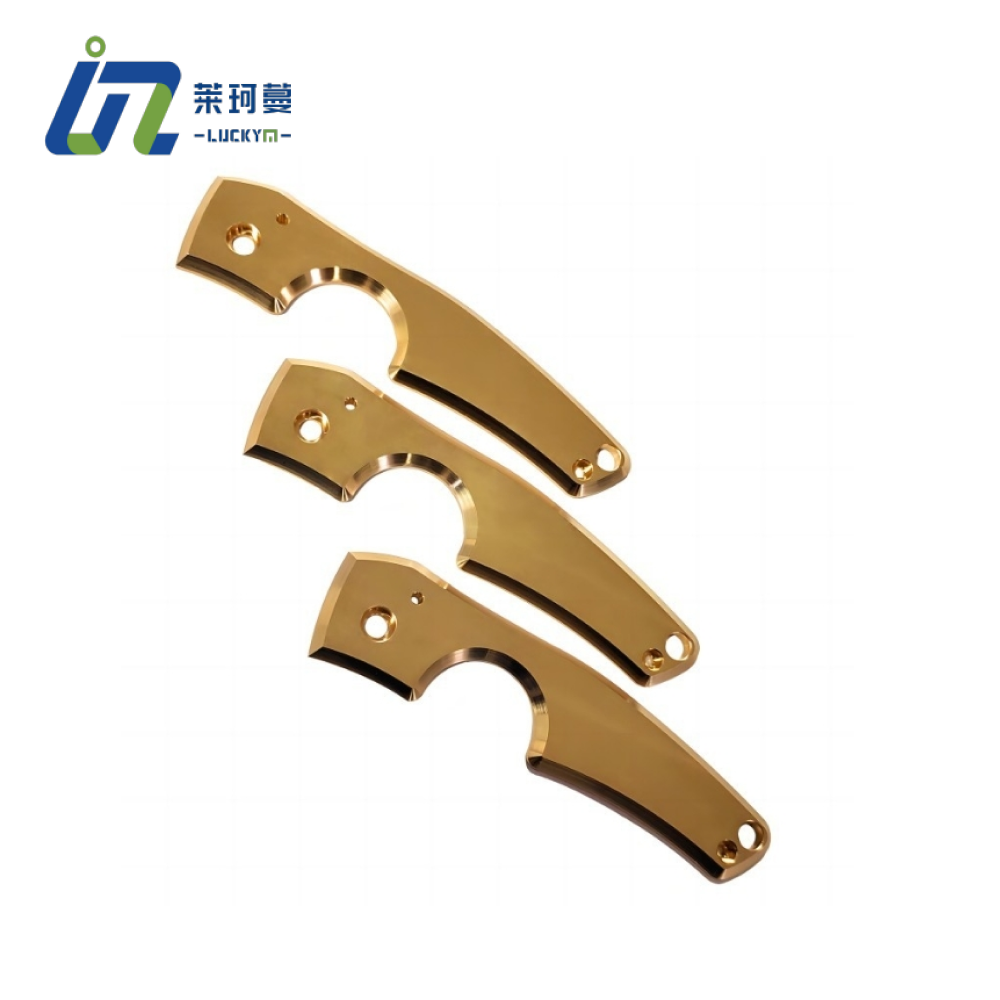
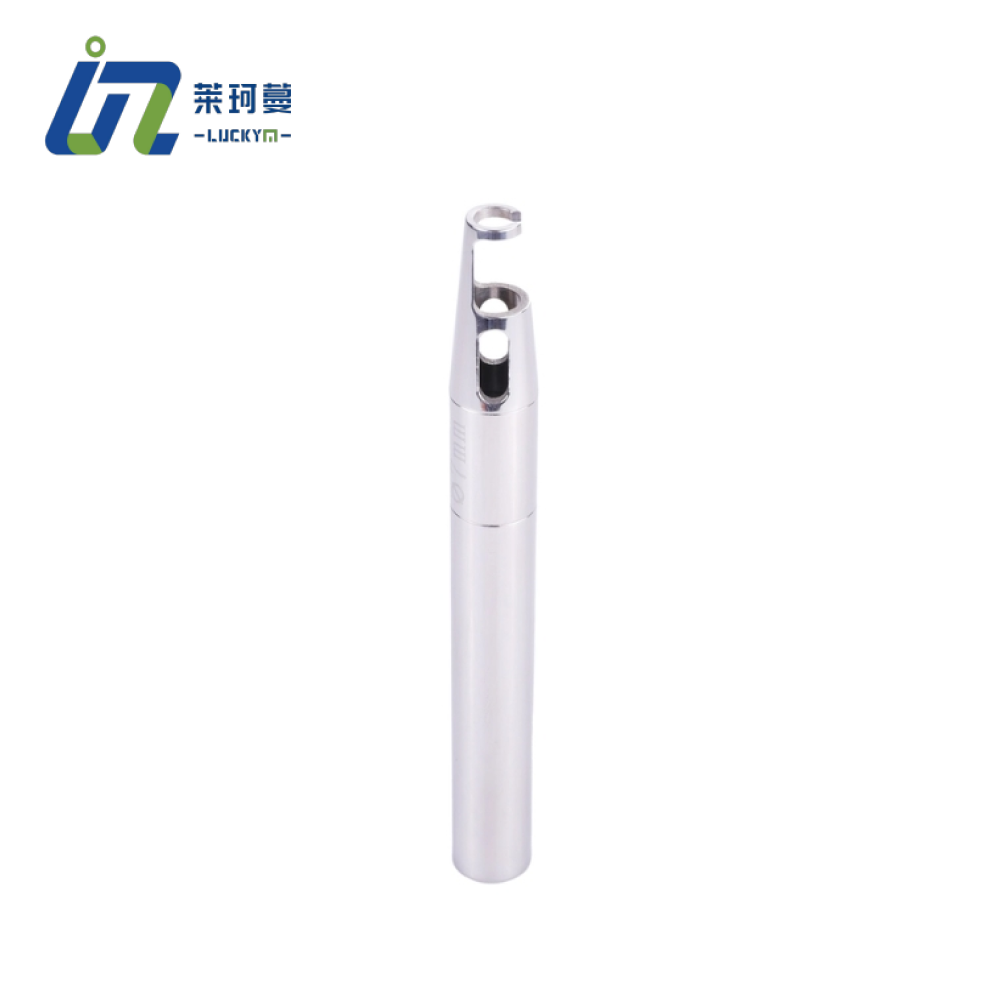
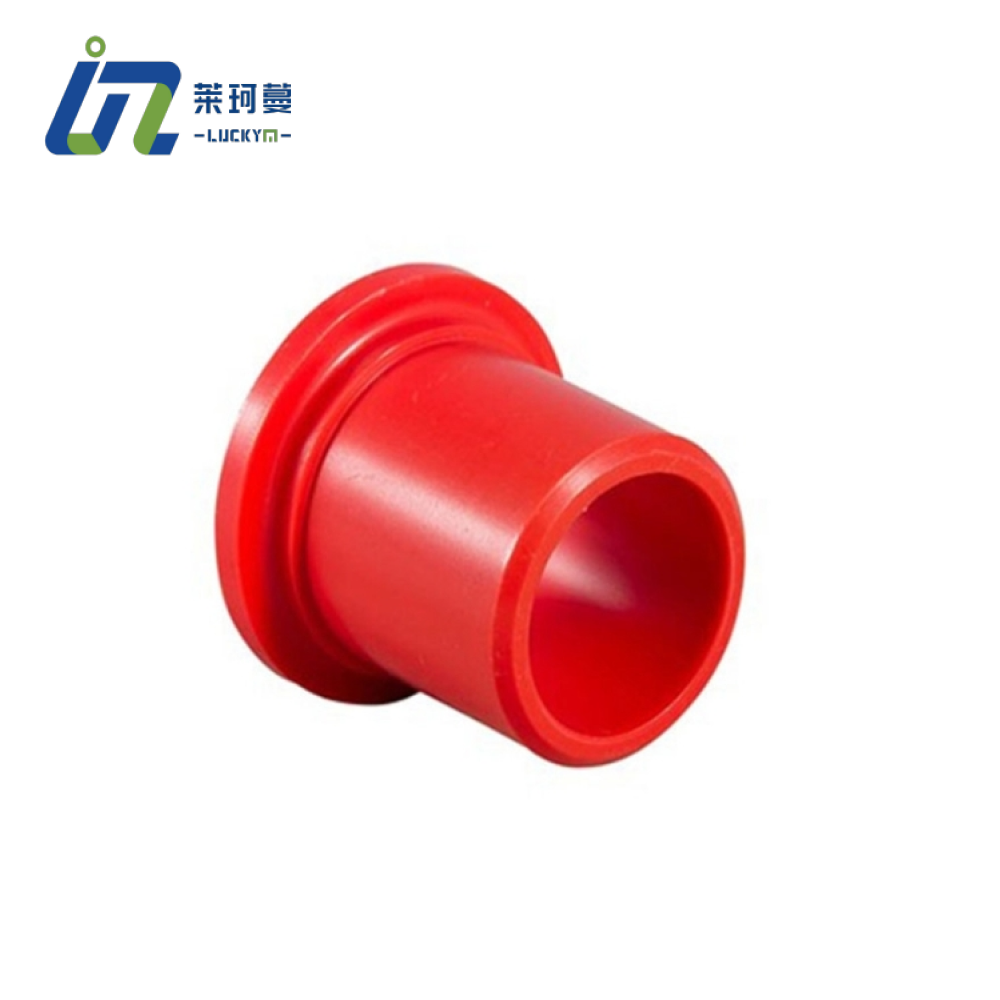
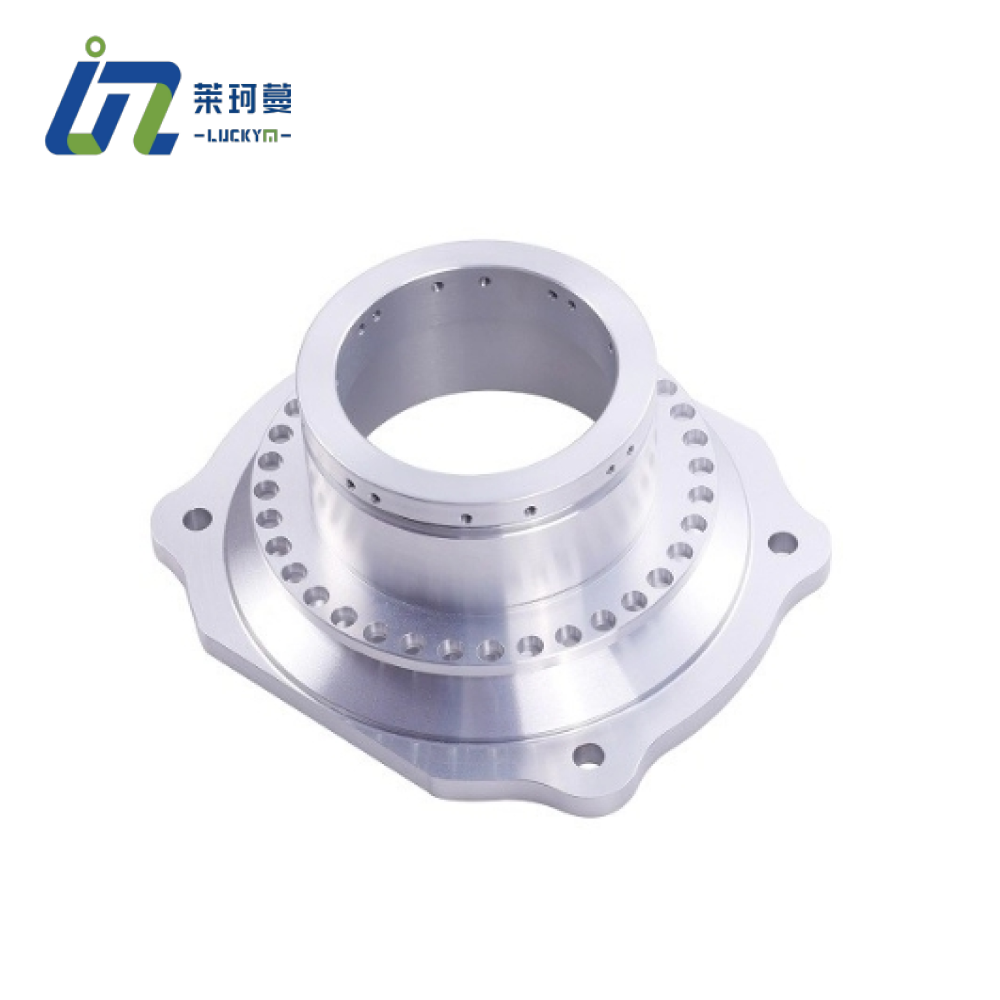
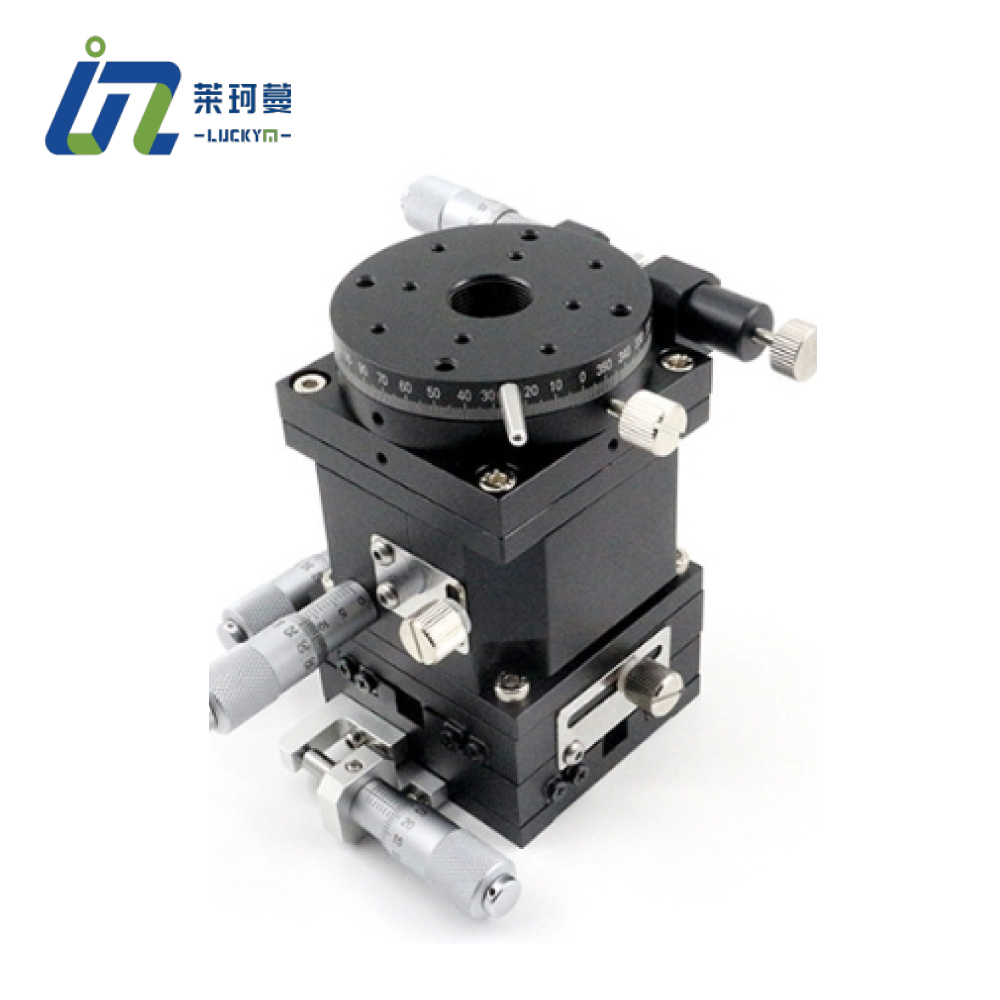
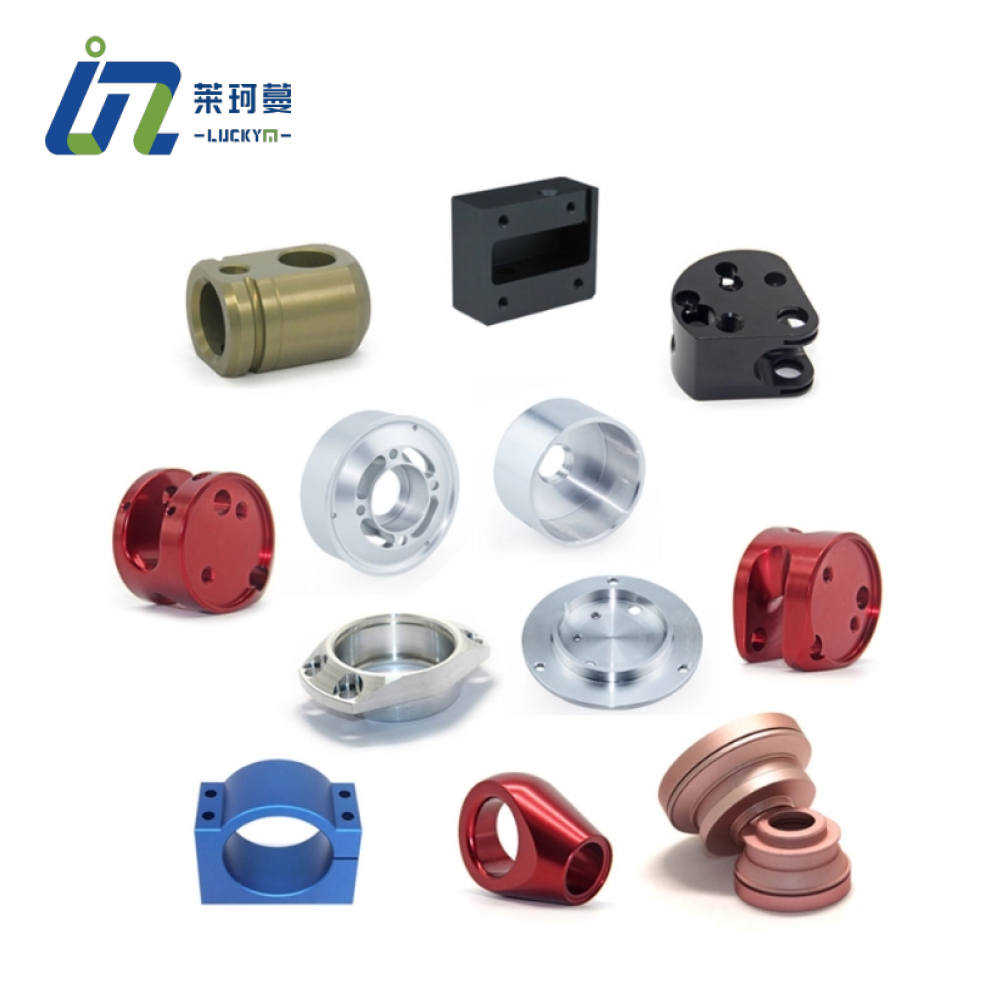
Gallery of Injection Molding parts
Injection Molding Materials
Plastic Injection Molding Materials
From durable thermoplastics to high-temperature thermosets, we provide a wide variety of materials. Each is selected to deliver the specific performance characteristics your application demands.
ABS
Count on the proven toughness and durability of ABS. Known for its exceptional impact and heat resistance, it’s the ideal choice for creating long-lasting parts in demanding fields like automotive, consumer electronics, and household appliances.
Color: Subtypes: ABS Beige (Natural), ABS Black, ABS Black Antistatic, ABS Milky White, ABS+PC Black, Flame Retardant ABS Beige, Flame Retardant ABS Black. PC
Polycarbonate (PC) is a high-performance thermoplastic distinguished by its exceptional impact strength and superior optical clarity. These properties make it the material of choice for applications where both durability and transparency are critical, such as in the manufacturing of ballistic-resistant glazing, ophthalmic lenses, and personal protective equipment.
Color: Subtypes: Flame Retardant Transparent PC, Food Grade PC-Transparent, PC Black, PC Transparent, PC White, PC Yellowish White, PC+GF30 Black PMMA (Acrylic)
Achieve brilliant, long-lasting results with PMMA. Valued for its crystal-clear appearance and exceptional weather resistance, it’s the perfect choice for outdoor applications like signage, displays, and lighting fixtures. PMMA offers superior durability over glass and maintains its clarity and integrity even after prolonged UV exposure.
Color: Subtypes: PMMA Black, PMMA Transparent, PMMA White POM
Polyoxymethylene (POM) is an engineering thermoplastic valued for its high stiffness, excellent dimensional stability, and low coefficient of friction. These properties make it a superior choice for manufacturing high-precision mechanical components subjected to high stress, such as gears, bearings, and other close-tolerance parts.
Color: Subtypes: Dark Brown (Coffee) POM 100AF, POM Black, POM Blue, POM White PA (Nylon)
Rely on the proven durability of Nylon for your most demanding applications. This versatile material offers an exceptional blend of strength, flexibility, and wear resistance, ensuring long-lasting performance in high-friction environments. It’s the ideal choice for creating robust industrial parts like gears, bearings, and automotive components.
Color: Subtypes: PA(Nylon) Blue, PA6 (Nylon)+GF15 Black, PA6 (Nylon)+GF30 Black, PA66 (Nylon) Beige(Natural), PA66 (Nylon) Black PE
Polyethylene(PE) is a lightweight but tough plastic that resists impacts well. It’s also resistant to chemicals, which makes it great for making things that are used outdoors or in wet conditions, like containers, pipes, and packaging.
Color: Subtypes: PE Black, PE White PEEK
PEEK: Unmatched performance under extreme conditions. Renowned for its superior heat resistance, chemical resistance, and mechanical strength, it is the premier material for critical components in the aerospace, automotive, and medical implant sectors where high performance is required.
Color: Subtypes: PEEK Beige (Natural) and PEEK Black PP
From resilient automotive components to safe medical devices and robust packaging, polypropylene(PP) is a highly adaptable material. Its combination of toughness, low weight, and excellent resistance to chemicals and moisture makes it a reliable and widely used solution across many industries.
Color: Subtypes: PP Black, PP White, PP+GF30 Black HDPE
From sturdy bottles and corrosion-proof piping to all-weather plastic lumber, High-Density Polyethylene (HDPE) is the material of choice for applications demanding resilience. Its excellent strength-to-density ratio and high impact resistance ensure durability in even the most challenging environments.
Color: Subtypes: HDPE Black, HDPE White HIPS
A versatile material valued for its ease of processing and good impact strength. With excellent dimensional stability, it’s the ideal choice for rapid prototyping, displays, and packaging where fast, easy molding is a priority.
Color: Subtypes: HIPS Board White LDPE
The go-to material for flexibility and sealing. Known for its soft, pliable nature and excellent sealing properties, it’s the industry standard for plastic bags, films, and flexible tubing where stretch and sealability are essential.
Color: Subtypes: LDPE White PBT
A strong, stable, and heat-resistant engineering plastic. Its rigidity and dimensional stability make it a great choice for high-performance automotive, electrical, and electronic components like connectors and housings.
Color: Subtypes: PBT Black, PBT Milky White(Natural) PET
PET is durable, chemically resistant, and moisture-resistant, making it suitable for a wide range of applications, including food containers, beverage bottles, and textiles. Its high strength and recyclability make it a popular choice for packaging.
Color: Subtypes: PET Black, PET White, PET+GF30 Black, PET+GF30 White PPS
PPS is a super-strong plastic that can handle very high heat and harsh chemicals without breaking down. This makes it perfect for making tough parts for cars, airplanes, and industrial machines that have to work in extreme environments.
Color: Subtypes: PPS Black, PPS White, PPS+GF30 Black, PPS+GF30 White PS
PS is lightweight and easy to process, making it a popular material for models, prototypes, and low-strength applications. Its ease of molding makes it a premier material for packaging and disposable items.
Color: Subtypes: PS Transparent PVC
PVC is a versatile, cost-effective material with excellent chemical resistance and durability. Due to its strength and versatility, PVC is widely used in pipes, medical devices, cables, and construction materials.
Color: Subtypes: PVC Grey PTFE (Teflon)
PTFE is known for its excellent chemical resistance and low friction properties and is commonly used in nonstick coatings, gaskets, seals, and bearings. It also performs well in extreme environments, such as high temperatures and corrosive chemicals.
Color: Subtypes: Teflon (PTFE) Black, Teflon (PTFE) White UPE
Extend the life of your high-wear equipment with UPE. This exceptionally tough and durable material provides unparalleled abrasion and impact resistance, making it the ideal solution for lining chutes, hoppers, and conveyor systems that are subjected to constant abuse.
Color: Subtypes: UPE Black, UPE White
Injection Molding Surface Finishing
We provide a full range of SPI surface finishes to meet your exact project requirements. Not sure which to choose? Our injection molding experts are available to help you select the ideal finish for your application. Upload your design through our website or contact us directly today for a detailed quote within 24 hours.
| SPI Finish | Description | Typical Applications | Surface Roughness (Ra µm) |
| SPI A-1 | Grade #3, 6000 Grit Diamond Buff | High polish or transparent parts, optically clear | 0.012 – 0.025 |
| SPI A-2 | Grade #6, 3000 Grit Diamond Buff | High polish or transparent parts | 0.025 – 0.050 |
| SPI A-3 | Grade #15, 1200 Grit Diamond Buff | High-to-medium polish parts, non-optical lenses | 0.050 – 0.100 |
| SPI B-1 | 600 Grit Paper | Medium polish parts | 0.05 – 0.10 |
| SPI B-2 | 400 Grit Paper | Medium polish parts | 0.10 – 0.15 |
| SPI B-3 | 320 Grit Paper | Medium – low polish parts | 0.28 – 0.32 |
| SPI C-1 | 600 Stone | Low polish parts | 0.35 – 0.40 |
| SPI C-2 | 400 Stone | Low polish parts | 0.45 – 0.55 |
| SPI C-3 | 320 Stone | Low polish parts | 0.63 – 0.70 |
| SPI D-1 | Dry Blast Glass Bead | Satin finish | 0.80 – 1.00 |
| SPI D-2 | Dry Blast #240 Oxide | Dull finish | 1.00 – 2.80 |
| SPI D-3 | Dry Blast #24 Oxide | Dull finish | 3.20 – 18.00 |
Ready to get started on your CNC Machining quote?
Start Your QuoteInjection Molding Capabilities
| Standards | Description |
| Maximum Part Size | 1200×1000×500 mm |
| Manimum Part Size | 5×5×5 mm |
| Part to Part Repeatability | +/- 0.1 mm |
| Mold Cavities | Single-cavity molds, multi-cavity molds, family molds |
| Available Mold Types | Steel and aluminum molds. Production levels below 1000, 5000, 30000, and over 100000 uses |
| Mold Cavity Tolerances | +/- 0.02 mm |
| Secondary Operations | Mold texturing, pad printing, laser engraving, threaded inserts, and basic assembly |
| Undercuts | Y-type, L-type undercuts |
| Wall Thickness | 0.5 mm to 5 mm |
| Draft | 0.5° to 2° |
| Ribs/Gussets | 0.5 mm to 3 mm thick |
| Bosses | Diameter 3 mm to 10 mm |
| Lead Time | Most orders can be completed within 15 working days |
Applications of Injection Molding
Injection molding plays a vital role in the manufacture of a wide range of products—from automotive parts to medical devices. It’s highly efficient because it can produce large numbers of identical plastic parts to tight tolerances at a low cost per part. This is why many industries rely on it for large-scale production. Whether the design is simple or complex, it ensures high quality and fast production.
- Gears: Durable, high-tolerance gears for reliable mechanical and electronic performance.
- Housings: Robust protective housings for electronics, automotive and industrial equipment.
- Enclosures: Precision enclosures to safeguard internal sensitive electronic components.
- Handles: Ergonomic and durable handles designed for comfort and longevity on tools, appliances, and consumer products.
- Caps & Closures: High-quality caps and closures that ensure a secure, tight seal.
- Connectors: Intricate and reliable connectors for precise electronic applications.
Advantages of Injection Molding
Injection molding is essential when you need to manufacture complex parts with perfect consistency. Designed for high-volume production, it can produce millions of identical plastic parts with exceptional precision. While setup costs may be high, once you’re up and running, you can produce parts quickly and cost-effectively. Furthermore, its compatibility with a wide range of materials, including plastics and liquid silicone rubber, makes it the preferred choice for most plastic products on the market.
Disadvantages of Injection Molding
While plastic injection molding has many advantages, such as being well-suited for mass-producing complex parts, it also has some disadvantages. The main issues are high initial costs, long lead times, design limitations, and it’s not cost-effective for small batches. If these factors are crucial to your project, you may want to consider alternatives like 3D printing or CNC machining, which may be better suited to your needs.
FAQs
What is injection molding?
Injection molding is a manufacturing method that creates parts by forcing molten material into a mold. It is most often used for plastics, but it can also be applied to metals, glass, and elastomers. In this process, the material is first heated until it melts, then injected into a mold cavity under high pressure. After it cools and hardens, the mold opens and the finished part is removed. This method is widely valued for producing large quantities of consistent, high-precision parts with complex geometries and smooth surface finishes. Because of its speed and efficiency, injection molding is especially well suited for high-volume production.
What are the 4 stages of injection molding?
Injection molding is a multi-step manufacturing process that turns raw plastic material into finished parts through four main stages:
Clamping: Before injection begins, the two halves of the mold are tightly closed and held together by the injection molding machine. This prevents the mold from separating under pressure and keeps molten plastic from leaking out.
Injection: Melted plastic is then forced into the closed mold at high pressure. During this stage, the material is packed into the mold cavity to ensure it fully fills every section and captures the intended shape.
Cooling: Once the mold is filled, the plastic is allowed to cool and solidify inside the cavity. Proper cooling control is essential to reduce defects and ensure the final part meets dimensional and performance requirements.
Ejection: After the part has hardened, the mold opens and an ejection system pushes the finished part out. The machine can then begin the next production cycle by closing the mold again.
What is the process of injection mold making?
Our injection mold-making process consists of six key steps:
Step 1: Production planning
We start by reviewing all project requirements in detail and arranging the production plan accordingly.Step 2: DFM analysis
We provide a free Design for Manufacturability (DFM) report to evaluate the feasibility of the mold design and help ensure it meets specification and quality requirements.Step 3: Mold manufacturing
Once the design is confirmed, the mold enters production. We also provide a tooling schedule so clients can monitor progress throughout the manufacturing cycle.Step 4: Sample testing
After the mold is completed, trial samples are produced and sent to the client for testing and approval.Step 5: Mass production
Once the client confirms that the samples meet all functional and quality expectations, we move forward with full-scale production.Step 6: Mold storage
After production and final quality inspection, the finished parts are delivered. The mold is then cleaned, maintained, and stored properly for future use.What are the typical tolerances for injection molded parts?
Tight tolerance control is critical in injection molding to ensure parts assemble properly and perform as intended. At LuckyM, we follow the ISO 2768-c standard for general tolerances, a widely accepted benchmark for molded components across many industries. This standard defines allowable variation for different dimensions and features, helping maintain consistency and quality throughout production. For applications that require higher precision, we can also meet tighter tolerance requirements based on the specific needs of the project. This allows us to provide injection molded parts that are both reliable and accurately manufactured to customer expectations.
What is the minimum order quantity?
At LuckyM, we do not have a minimum order requirement for injection molding services. This means we can support projects of all sizes, from a single prototype to large-volume production runs. Our flexible approach allows customers to order according to their actual needs without being limited by a fixed MOQ. That said, higher order volumes usually come with more competitive unit pricing, since larger runs benefit from economies of scale. Whether you need a small test batch or mass production, we aim to provide reliable service and strong overall value.
How much does your injection molding service cost?
The cost of our injection molding service depends on several factors, such as part size, mold complexity, cavity quantity, material selection, and any required secondary processing. Since every project has its own specifications, we provide customized quotations based on the exact needs of each customer. This approach gives you a clear and accurate understanding of the expected cost before production begins. To receive a precise quote, simply upload your drawings or project details, and our team will evaluate the requirements and provide a detailed pricing proposal.
Can I get prototype parts before full-scale production?
Yes, absolutely. At LuckyM, we offer rapid prototyping services to support product development before mass production begins. Prototype parts allow you to test and validate your design, identify potential issues, and confirm that the part meets both functional and appearance requirements. Making adjustments at this stage can help reduce risks, save time, and lower overall development costs later in the process. Our prototyping service helps ensure a smoother and more efficient transition into full-scale production.
What industries use injection molding?
Injection molding is widely used in many industries, including aerospace, medical devices, consumer products, energy, electronics, automotive, robotics, toys, and other sectors that require high-volume, precision-manufactured plastic parts.
Injection Molding Resources
What is the tightest dimensional tolerance achievable with wire EDM in China?
Over the past decade, we have seen many buyers ask the same question: can Chinese wire EDM suppliers really hold micron-level tolerances in production, or are the numbers only marketing…

How much does precision differ between slow-wire and fast-wire EDM in China?
Every week, our team fields questions from buyers who received parts that looked right on paper but failed inspection. Many of those failures trace back to one overlooked decision: which…
What Is the Difference Between Wire EDM and Laser Cutting, and How Do I Choose?
Every week, our team fields the same question from purchasing managers who are staring at a drawing and trying to figure out which process will actually deliver. The wrong choice…

For inquiries contact:
Sunny Chen
Supply Chain Manager
+86 19917152469
[email protected]
Get in contact with one of our representatives today.