How can I find true CNC machining factories for custom solar parts from China?
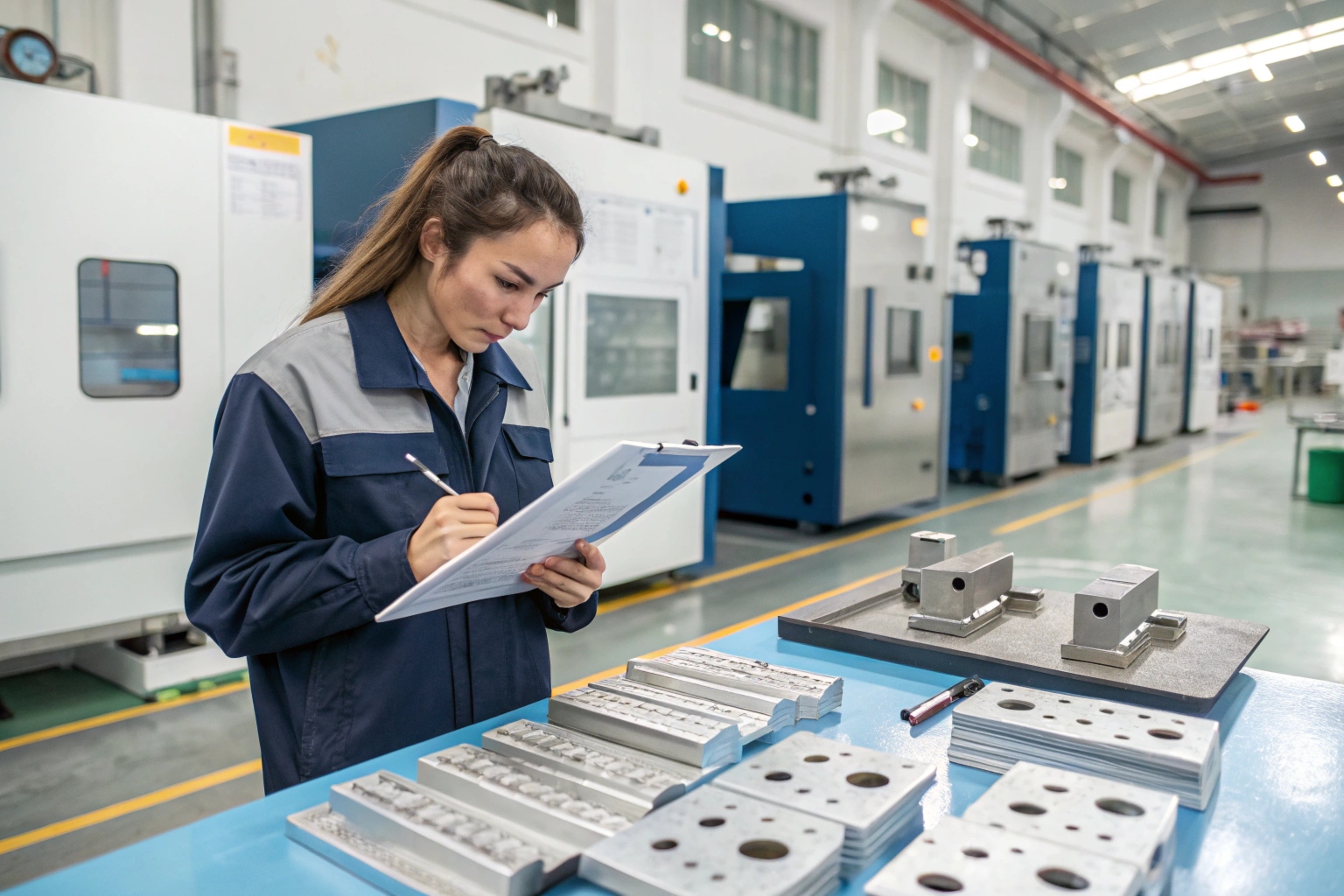
Finding a real CNC factory in China is hard. I have seen polished websites, fast quotes, and big promises hide weak production control and risky outsourcing.
You can find true CNC machining factories for custom solar parts from China by checking legal registration, machine capacity, in-house inspection tools, live factory evidence, engineering depth, and pilot-run results before placing volume orders.
I do not trust a supplier just because the sales reply looks smooth. I want proof that the company can machine, inspect, manage, and deliver my solar parts without passing the work to unknown subcontractors.
What equipment list should I check for my CNC solar components?
I do not want a pretty PDF with random machine names. I want a machine list that tells me whether the factory can really make my solar parts well and on time.
For CNC solar components, you should check whether the factory has the right mix of milling, turning, inspection, fixturing, and finishing support that matches your part size, tolerance, material, and outdoor-use requirements.
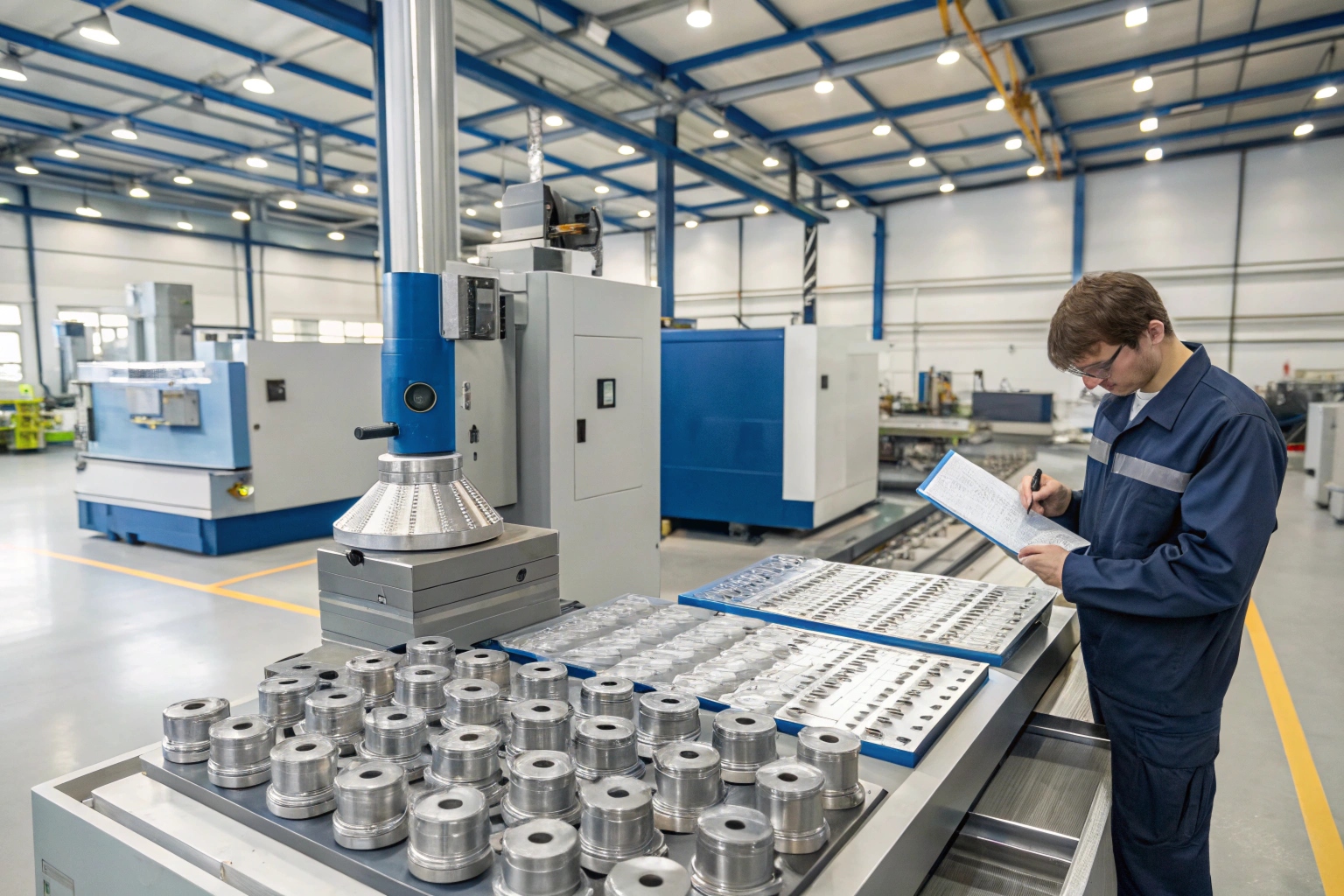
When I review a factory, I start with the equipment list because it tells me what kind of work the supplier can really do. A true CNC factory should be able to send a clear list with machine type, brand, model, quantity, travel range, and rough age of the equipment. A weak supplier often sends a vague list like “many CNC machines” or “advanced processing center.” That tells me very little.
Core machines I check first
For custom solar parts, I usually expect to see a mix of CNC milling and CNC turning. Many solar parts are brackets, clamps, end caps, mounting blocks, connector parts, and support parts made from aluminum or stainless steel. Some parts start as extrusions and then need CNC drilling, slotting, tapping, pocketing, and contour work. Some parts need turning for bushings, spacers, sleeves, or shaft-like forms.
I look for these machine groups:
| Equipment type | Why I check it | What it tells me |
|---|---|---|
| 3-axis or 4-axis CNC milling machines 1 | Needed for most bracket and plate parts | Basic machining ability and production volume |
| 5-axis CNC machines 2 | Useful for complex geometry and fewer setups | Better process flexibility for difficult parts |
| CNC lathes or turn-mill centers 3 | Needed for round solar hardware parts | In-house turning ability |
| Drilling and tapping support | Needed for threaded holes and repeated hole patterns | Better efficiency for simple repeat work |
| EDM or wire cutting | Useful for special shapes or hard materials | Broader process range |
| Surface grinding or deburring tools | Helps control flatness and finish | Better detail control |
Inspection tools matter as much as cutting machines
I never stop at the machine list. A shop can own machines and still fail quality badly. So I also ask for the metrology list. If a supplier claims tight tolerance work, I expect proof that they can measure those tolerances.
Here is what I usually want to see:
| Inspection tool | Why it matters for solar parts | Minimum proof I ask for |
|---|---|---|
| CMM 4 | Confirms complex dimensions and position tolerance | Machine photo and sample report |
| Height gauge and granite table | Good for routine dimensional checks | Calibration status |
| Calipers and micrometers | Basic shop-floor inspection | Gauge control records |
| Thread gauges | Critical for assembly parts | Gauge list |
| Surface roughness tester | Useful for sealing or fit surfaces | Test example if needed |
Solar projects live outdoors. That means I also care about finishing support. If parts need hard anodizing 5, clear anodizing, powder coating, passivation 6, or zinc plating, I ask who manages that process and how they control it. Even when the finish is outsourced, I want to know whether the factory manages the vendor directly and inspects the result before shipment.
Questions I ask with the equipment list
I usually ask very direct questions because real factories answer them fast:
- Which machines will run this part number?
- What is the max work envelope?
- What tolerance do you hold on similar aluminum solar parts?
- Do you use dedicated fixtures or universal fixtures?
- Do you machine from billet, plate, or extrusion?
- Which inspection tool checks flatness and hole position?
A trader often delays and says, “I need to check with our engineer.” A real factory usually gives a more direct answer because the engineer or production person is close to the sales team.
I also compare the machine list to the part drawing. If the supplier shows twenty lathes but my project is mostly milled aluminum brackets, something does not match. I want the equipment profile to fit the product profile. That simple check saves me from many bad choices.
How do I verify if a CNC supplier actually produces in-house?
I have learned that many suppliers say “we are factory” when they really mean they know factories. That gap can cost me quality, time, and control.
To verify in-house CNC production, you should cross-check business registration, production address, machine evidence, inspection records, technical answers, and traceable shop-floor data that a trading company usually cannot provide directly.
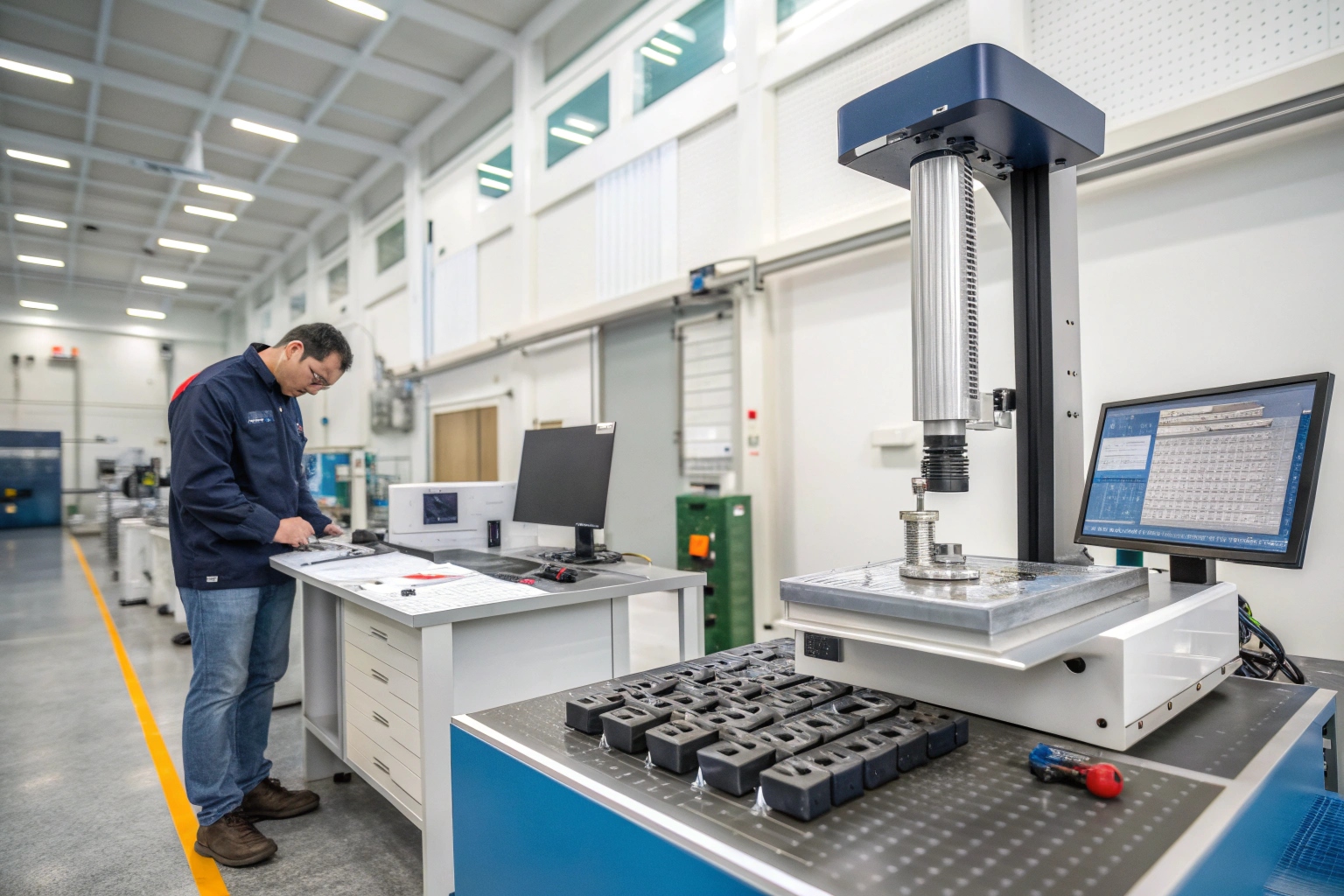
I start with legal identity. In China, I ask for the 18-digit Unified Social Credit Code and the full Chinese company name. Then I check the company on the National Enterprise Credit Information Publicity System 7. I want to see whether the registered business scope includes manufacturing, machining, or production-related activity. If the scope only points to trading, wholesale, import-export, or business services, I become careful right away.
Registration and address checks
The next step is matching the registered address with the real production address. Some companies register in one place and produce in another. That is not always a problem, but I want it explained. If they claim in-house production, I expect a clear answer about where the machines are, who owns them, and who manages the workers.
I ask for these items together:
| Check item | What I want to confirm | Red flag |
|---|---|---|
| Unified Social Credit Code | Legal identity | Refusal or mismatch |
| Chinese company name | Exact registered entity | English-only documents |
| Registered business scope | Includes manufacturing | Only trading terms |
| Factory address | Real production site | Different address with no explanation |
| ISO 9001 8 certificate scope | Covers CNC machining | Generic scope with weak detail |
Technical depth exposes weak suppliers
Then I move into technical questions. This is where many traders fail. I ask about spindle speed range, cutting tool type, fixturing plan, aluminum chip control, flatness risk, anodizing buildup, and inspection sequence. I do not ask to sound smart. I ask because real engineers answer with details tied to the part.
For example, if I send a drawing for a solar mounting bracket with tight hole position and outdoor anodizing, I may ask:
Sample technical questions
1. How will you fixture this part after extrusion cutting?
A real factory may explain soft jaws, custom fixture plates, vacuum holding, or multiple operations. A trader usually gives a general answer.
2. How do you control hole position after anodizing?
A real factory may discuss pre-anodize machining tolerance, coating thickness, and thread masking if needed.
3. What inspection plan will you use for the first article?
A real factory may mention CMM, gauge points, datum strategy, and raw data output.
Proof through documents, not words
I also ask for actual production evidence. A good factory can provide a First Article Inspection report, raw CMM data, incoming material inspection logs, and process sheets. If they claim ISO 9001 or IATF 16949, I do not stop at the certificate image. I check whether the issuing body is real and whether the scope fits machining work. The IAF CertSearch registry 9 is a useful extra check when available.
I also ask for EN 10204 3.1 material certificates 10 if the project needs verified aluminum or stainless input. That matters for solar parts because outdoor exposure makes material and finish quality more important over time.
The key point is simple: a real factory leaves a trail. Machines leave maintenance records. Inspection leaves reports. Material control leaves certificates. Engineers leave clear process answers. A middleman can collect some files, but the whole set rarely fits together in a clean and convincing way.
Should I ask for a virtual factory tour before placing my CNC order?
I have found that one live video call can reveal more than ten email chains. It does not replace an on-site audit, but it quickly shows whether the supplier is real and prepared.
Yes, you should ask for a virtual factory tour before placing your CNC order because a live walk-through helps confirm the production site, machine ownership, inspection capability, process flow, and the supplier’s confidence in showing real operations.
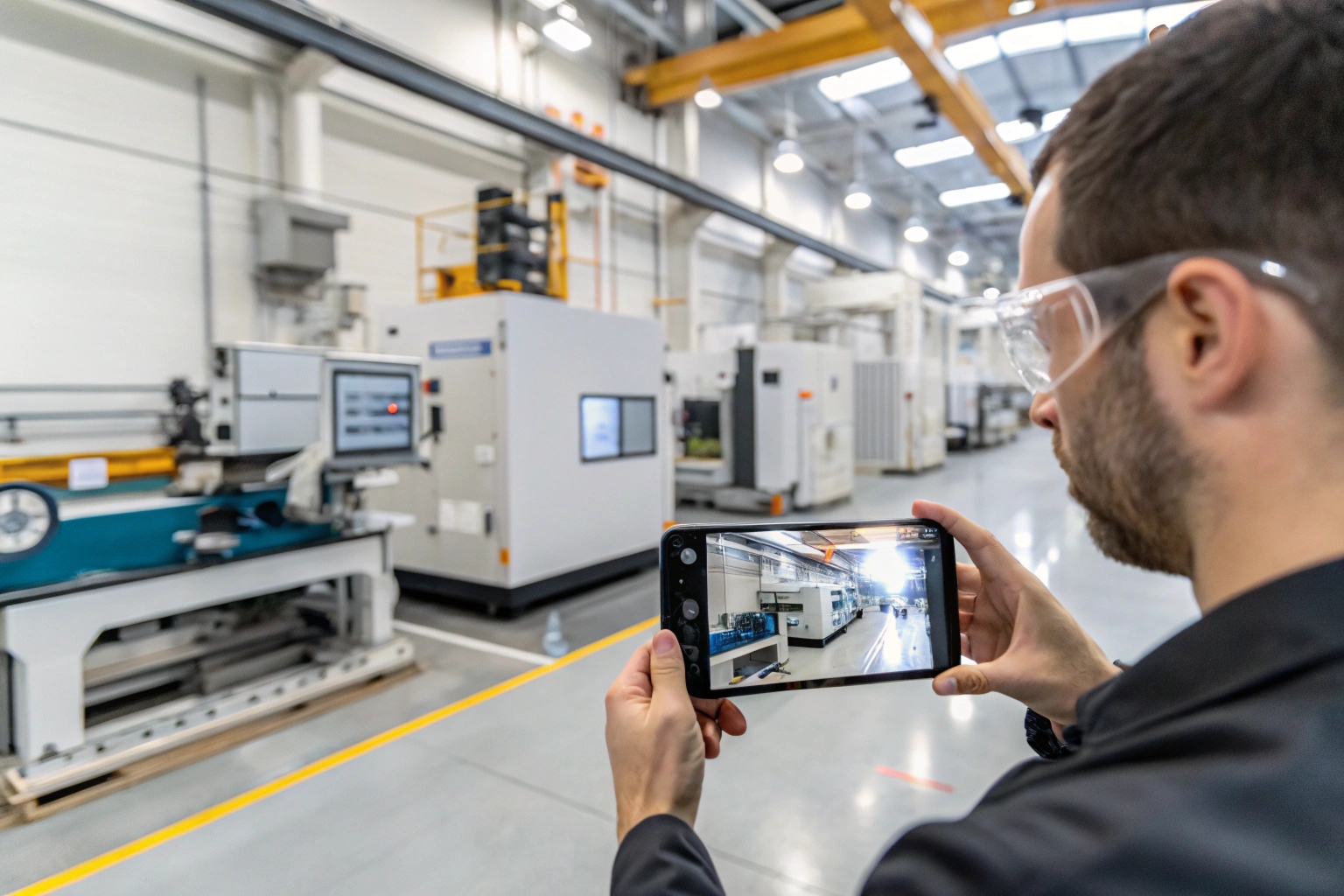
I prefer a live factory tour over a polished marketing video. A recorded video can be borrowed, edited, or staged. A live call is harder to fake. I usually ask the supplier to start outside the building, show the company sign, enter the workshop, and move through machining, inspection, packing, and warehouse areas in one continuous session.
What I ask to see during the tour
I do not want a random walk. I want a structured path. That helps me compare one supplier to another.
| Tour area | What I look for | Why it matters |
|---|---|---|
| Building exterior and sign | Company name and real location | Basic identity check |
| CNC shop floor | Active machines and operators | Real production evidence |
| Tooling and fixtures area | Job readiness and repeatability | Process maturity |
| QC room | CMM and gauges in use | Inspection strength |
| Raw material area | Traceability and storage | Material control |
| Packing area | Export handling quality | Shipment readiness |
How I run the live call
I ask the person holding the camera to do small actions in real time. For example, I may ask them to zoom in on the machine label, show the current work order, or point to the calibration label on a gauge. These requests are simple, but they are useful. They reduce the chance that I am watching an old or borrowed video.
I also try to involve both sales and engineering in the call. If sales speaks smoothly but engineering cannot explain the process, I notice that. If the engineer can answer and show the setup plan clearly, my confidence goes up.
What a useful tour should reveal
A good virtual tour helps me judge several things at once:
Process flow
I want to see whether the part moves in a logical path from material receipt to machining, inspection, finishing control, and packing.
Discipline
I check whether the floor looks organized, whether parts are labeled, and whether scrap, tools, and finished goods are separated.
Volume fit
A shop may be real but still wrong for my job. A very large batch factory may not care about a small custom project. A tiny workshop may not support stable volume.
Honesty
Sometimes the biggest value of the tour is not the equipment. It is how open the supplier is. A real manufacturer usually does not mind showing the basics of its operation. A weak supplier often becomes nervous, vague, or selective.
I still know the limits. A virtual tour cannot fully confirm capacity, maintenance quality, staff skill, or hidden outsourcing. But it is a strong screening tool. It helps me decide who deserves a sample order, a pilot run, or a deeper audit.
How can I avoid outsourcing risks with Chinese CNC suppliers?
I have seen outsourcing create late deliveries, mixed quality, and blame games. When a supplier hides subcontracting, I lose control over the project fast.
You can avoid outsourcing risks by setting clear no-subcontract rules, testing the supplier with pilot runs, controlling quality documents, verifying process ownership, and tying payment and approval to traceable production evidence.
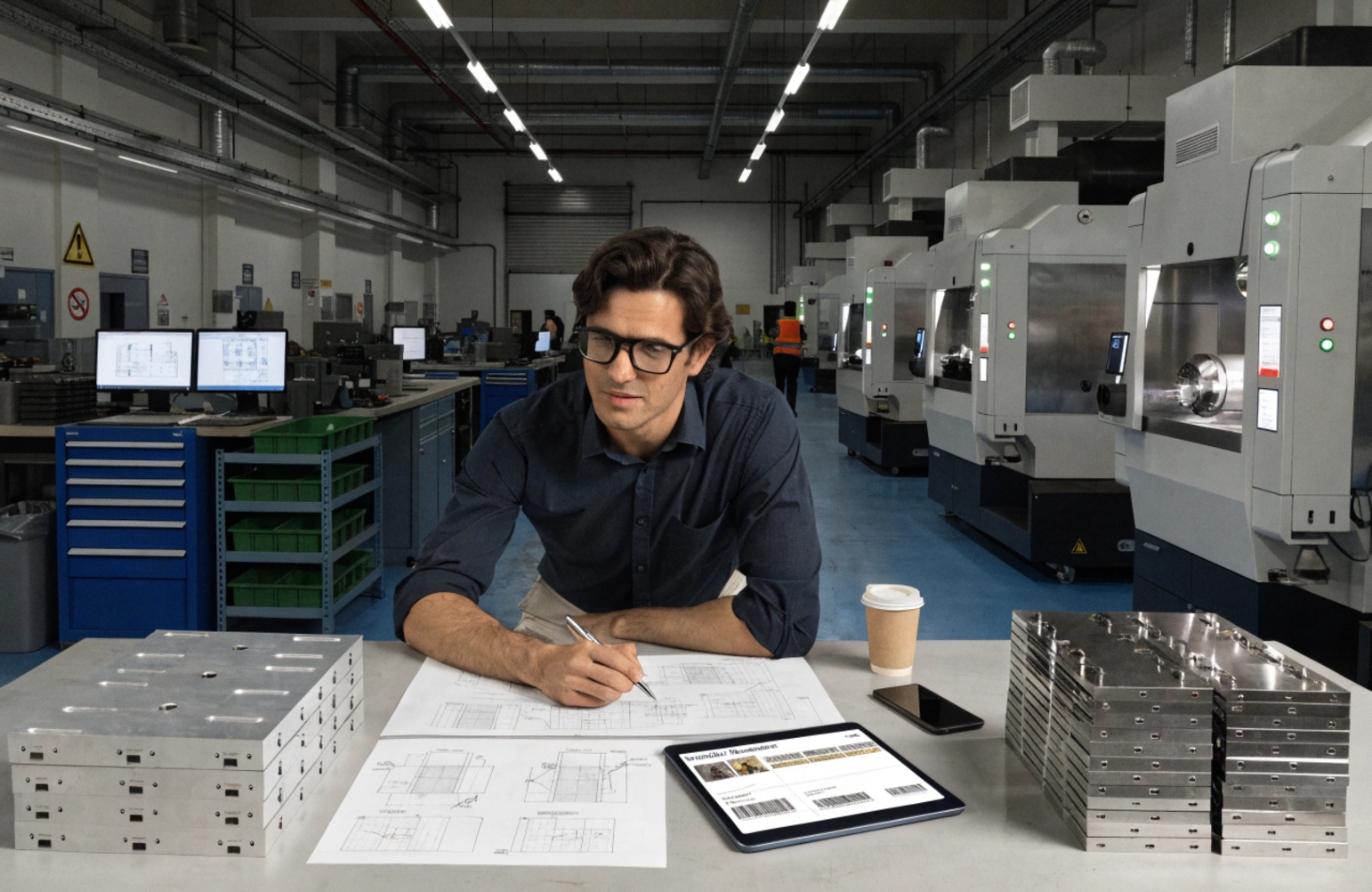
Outsourcing is not always bad. Many good factories outsource special processes like anodizing, heat treatment, or coating. The real problem starts when a supplier hides who does the work and cannot control the result. For solar parts, that risk is serious because outdoor performance depends on both machining accuracy and surface treatment quality.
Build anti-outsourcing controls into the RFQ stage
I do not wait until after PO placement. I put the rules into the RFQ and quote review stage. I ask the supplier to state clearly which operations are in-house and which are outsourced. I want that in writing.
I also ask for a DFM report before order. This is one of my favorite filters. A real engineering team can review the drawing and suggest practical changes that reduce cycle time, tool wear, fixture complexity, or coating risk. A trader often sends a shallow answer or no useful answer at all.
Practical controls that reduce risk
Here are the controls I rely on most:
1. Paid pilot run
A small paid batch tells me much more than promises do. I can measure consistency, scrap level, packaging, communication speed, and true lead time.
2. First article approval before mass production
I require a detailed FAI with key dimensions, balloon drawing, and raw measurement data. That proves the supplier can inspect the part, not just make it.
3. Material and finish traceability
For solar parts, I ask for material certs and finish records. If hard anodizing or powder coating is critical, I want thickness or finish verification tied to the lot.
4. No-subcontract clause for core machining
If I want machining done in-house, I say so in the PO or quality agreement. I also add that any subcontracting needs written approval first.
5. IP and data control
I require an NDA and I ask what CAD/CAM software they use. Licensed software and controlled drawing access do not guarantee safety, but they show better discipline.
A simple risk review framework
| Risk area | What I require | Why I require it |
|---|---|---|
| Hidden subcontracting | Written disclosure of in-house vs outsourced steps | Clear process ownership |
| Quality drift | FAI plus pilot batch | Early failure detection |
| Finish failure | Coating control records and vendor management | Outdoor durability |
| Delay risk | Real production plan and lead-time proof | Schedule control |
| IP leakage | NDA and drawing access rules | Design protection |
Watch for business-model warning signs
I also review the supplier’s product mix. If the website shows CNC parts, furniture, lighting, gifts, electronics, and packaging all at once, I get cautious. Real machine shops usually have a narrower focus. They may serve many industries, but their process story is still clear.
Finally, I compare every promise against actual behavior. Did they answer technical questions directly? Did they provide machine and inspection records fast? Did the pilot batch match the claimed lead time? Did the finish meet outdoor-use requirements? I trust the supplier only after the evidence lines up.
For me, the safest path is not to look for a perfect factory. It is to build a system that makes hidden outsourcing hard and visible. When I do that, I protect my schedule, my quality, and my customer relationship much better.
Conclusion
I find true CNC factories by checking proof, not claims. When legal records, machines, engineering answers, and pilot results match, I can source solar parts with more confidence.
Footnotes
1. See official vertical mill categories used for common CNC milling work. ↩︎
2. Review 5-axis options for fewer setups on complex parts. ↩︎
3. Check official turning-center examples for round-part machining capability. ↩︎
4. Understand how CMMs support precise dimensional verification. ↩︎
5. Learn how anodized aluminum finishes are specified and controlled. ↩︎
6. Review the ASTM passivation standard for stainless steel parts. ↩︎
7. Verify Chinese business registration and scope on the public registry. ↩︎
8. Confirm what ISO 9001 covers for quality management systems. ↩︎
9. Validate whether a supplier’s certification is genuine and current. ↩︎
10. See how EN 10204 3.1 certificates relate to verified material supply. ↩︎